
Join us this September in the Scottish Highlands for a four-day guided, self-reflective writing workshop, as we explore the theme of ‘change’ and how we can write our way through it.

“Some things, when they change, never do return to the way they once were.”
— Alice Hoffman
Life is change. It is evident both in nature and in us. From the moment we are born, we are constantly transforming– physically, mentally, emotionally and circumstantially. Change doesn’t stop when we grow up, either. Whether it’s going through menopause, changing careers, moving to another country, losing a loved one, starting a new chapter – or starting over – change is inevitable. As much as we often want things to stay the same, it’s not always possible when we find ourselves thrust into unfamiliar territory. What then? How do we not only adapt to change but accept it?
Writing for well-being can help.
What to expect
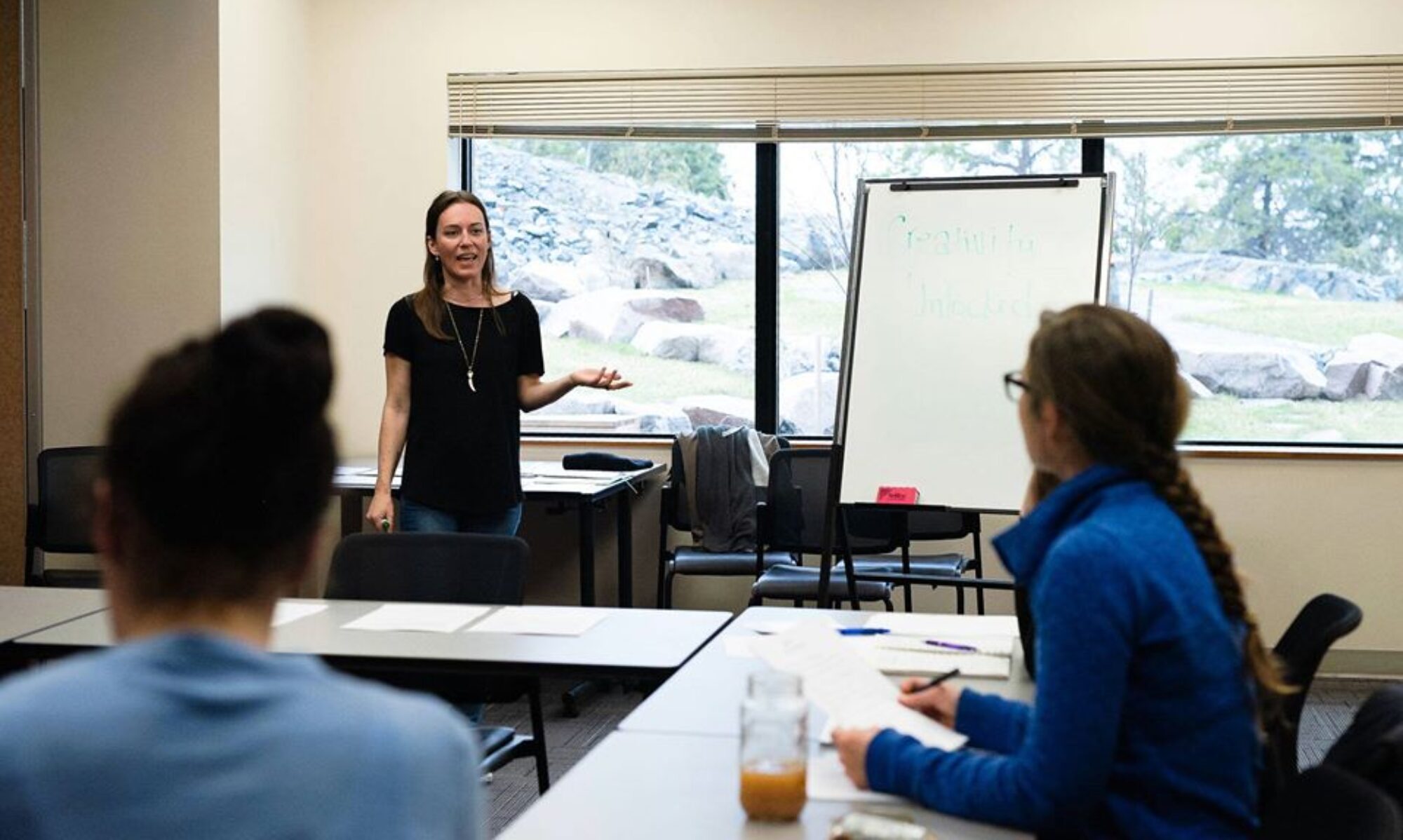
In this guided, self-reflective writing workshop, we will explore the theme of ‘change’ and how we can write our way through it. Together we will discuss the difference between writing well and writing for well-being. We will read poetry and passages and respond to them, as well as write some of our own!
Through hands-on, interactive sessions as well as independent and group writing exercises, we will explore free-writes, reflections, prompts and pantoum. No experience is necessary; work will not be judged. This is a safe, inclusive space where sharing is not required but encouraged.

Dates and Location
Writing Through Change will take place as part of True Elk’s luxury wellness experience, The Change Retreat
For full details and booking information, please visit trueelk.com
22-26 September 2025
@ The Dell of Rothiemurchus in Aviemore, Scotland
Accommodations included
What is writing for well-being?
Writing for well-being (sometimes called reflexive, or purposeful self-reflective, writing) is based on the expressive art of therapeutic writing. Like other Creative Arts Therapies such as Art Therapy, writing can help you heal, grow or create. Poetry in particular, with its concise and image-based structure, is one of the most effective forms of therapeutic writing. Participants will learn why writing works and how we can all use it as a tool for change. That being said, please remember that writing can unlock deep emotion; this workshop is not meant to replace professional therapy.
Meet your facilitator
Carolyn Grisold, M.A., is a British-Canadian PhD researcher at the University of Dundee in Scotland where she is examining the intersection of writing well and writing for well-being. She holds a Postgraduate Certificate in Creative Writing for Therapeutic Purposes, an MA in Reflexive Writing, a Graduate Certificate in Creative Writing, and a BA in English Literature. Her earlier studies focused on using reflexive writing as a way to help prevent workplace burnout. A part-time professor, she also has 20+ years’ experience in media and communications. Carolyn has been facilitating reflexive writing workshops since 2014.